A Progression Is a Path, Not a Ladder
Written by K9 Fitness Solutions
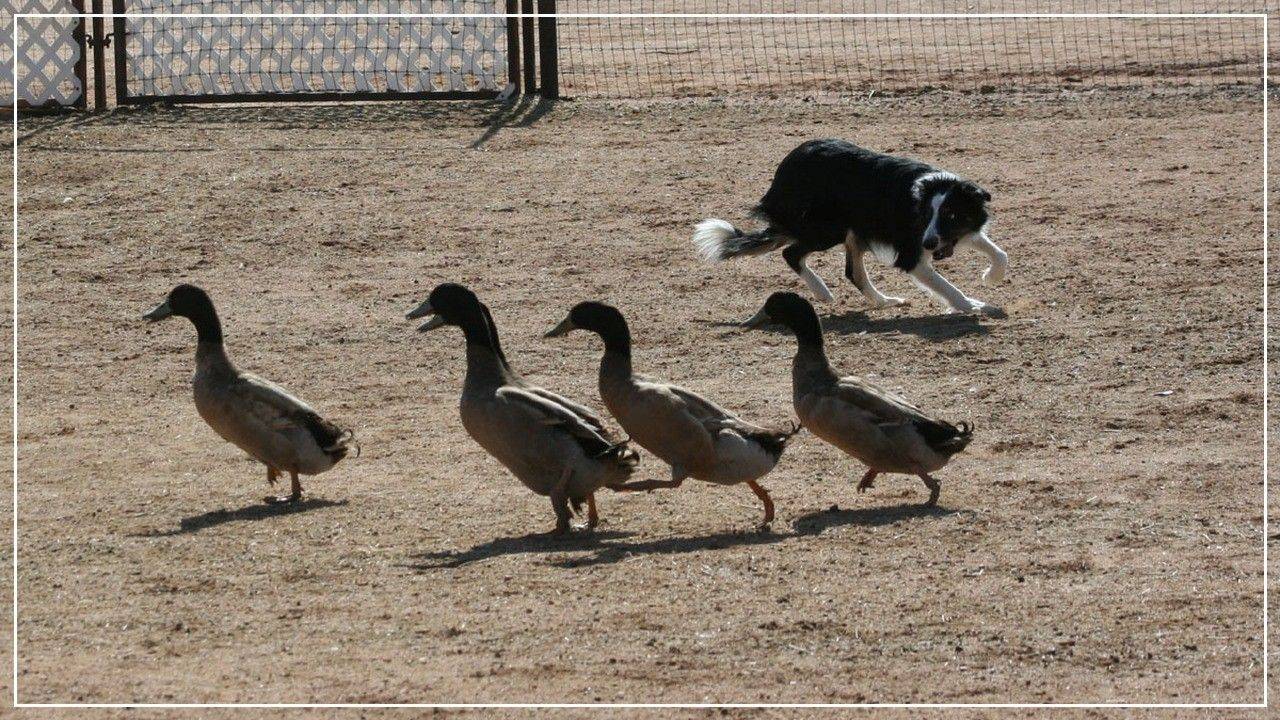
You have probably seen this online: a video of an exercise that looks exciting. Maybe there is a progression to that final exercise, maybe not. But the last version is the one you remember. It can easily become the goal, the thing you think you should be working toward with your own dog.
But a progression shows how far an exercise can go. It doesn’t tell you how far your dog needs to go, or how that exercise fits into a conditioning plan. It’s easy to treat a progression like a ladder, where the top rung is the point. But a progression is a path, and choosing which parts of that path to follow takes more than watching the steps.
What a progression is for
A progression builds capacity gradually. Earlier steps develop the strength, balance, coordination, or control that later steps require.
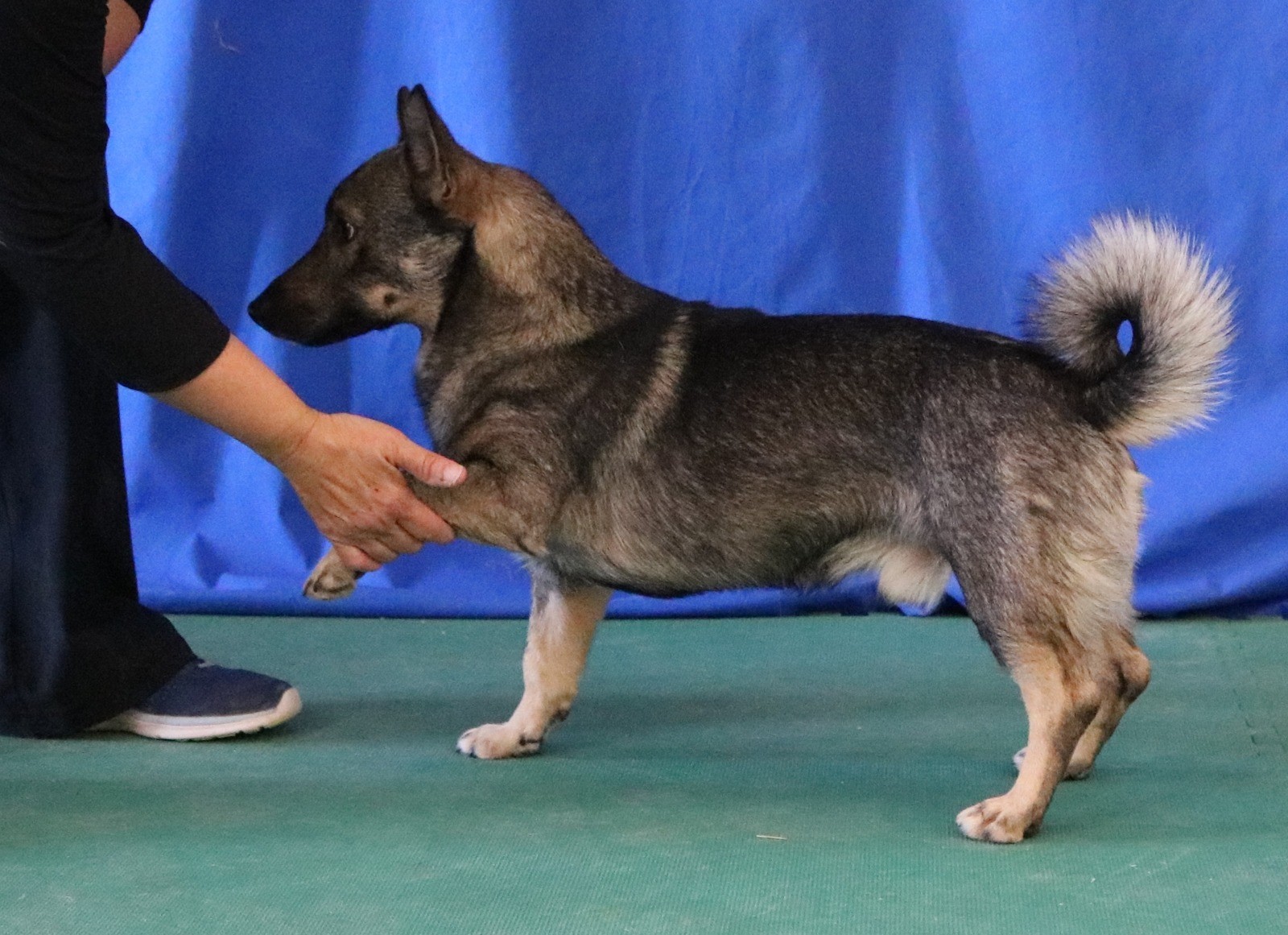
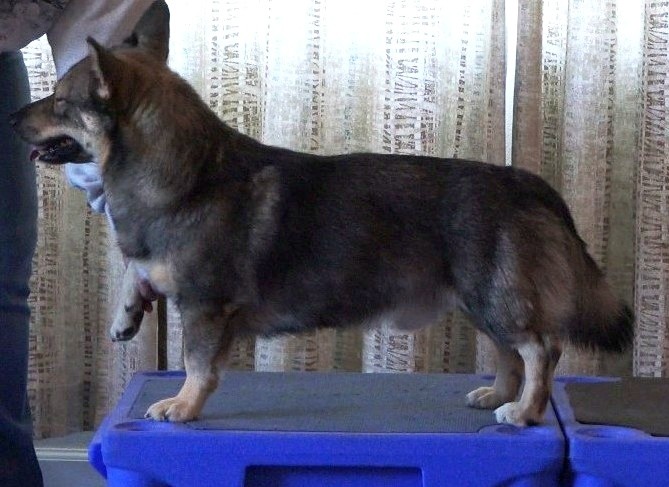
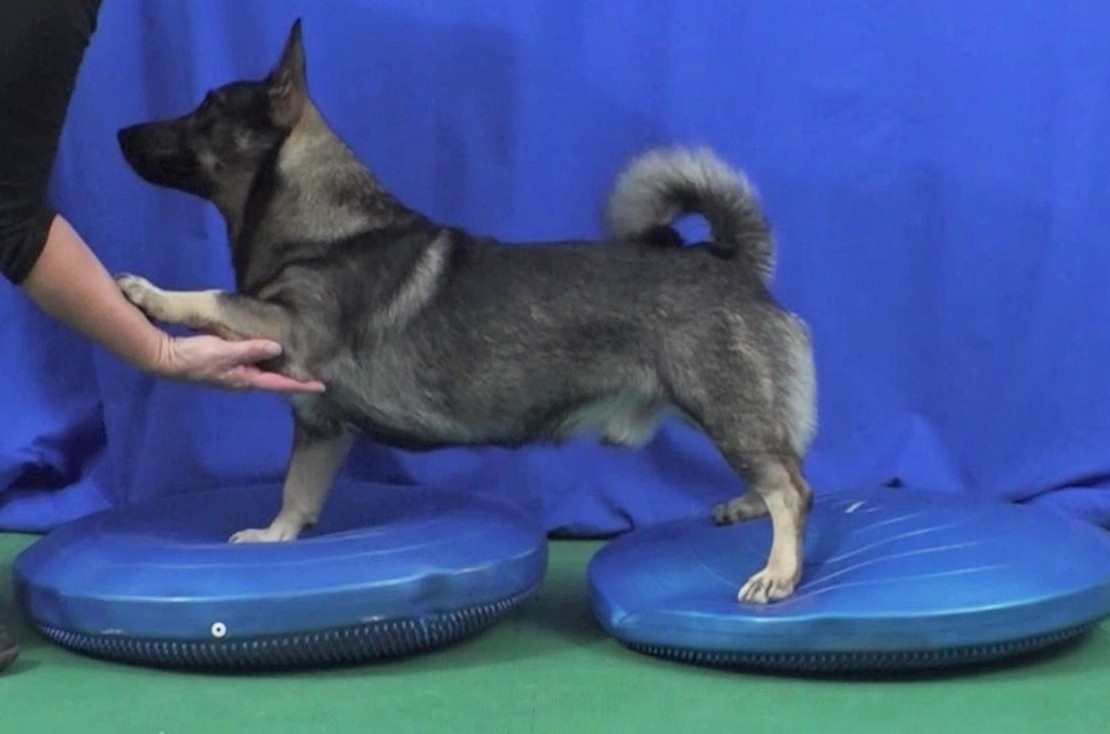
Three steps on the same path. Each one is useful work on its own.
Those earlier steps have a purpose of their own. They give your dog useful work to do, and they give you time to establish good form before adding another challenge.
Moving ahead too quickly can change what your dog is actually doing. The exercise may look close to the demonstration, but a shift in posture or weight distribution can change which muscles are working and whether the exercise achieves its intended purpose.
We care far more about how well your dog performs an exercise than how impressive it looks. And sometimes, the most useful version is one you continue doing well.
What the videos leave out
An exercise video can be a helpful demonstration. It may show you the movement and several ways to make it more challenging. But that is only part of what you need to build fitness.
Purpose. What is the exercise intended to develop? Where does that fit with what your dog needs?
Form. What does correct performance look like? What changes should you watch for as your dog works? Small details can make a substantial difference. We explain more in our post on why form is the key.
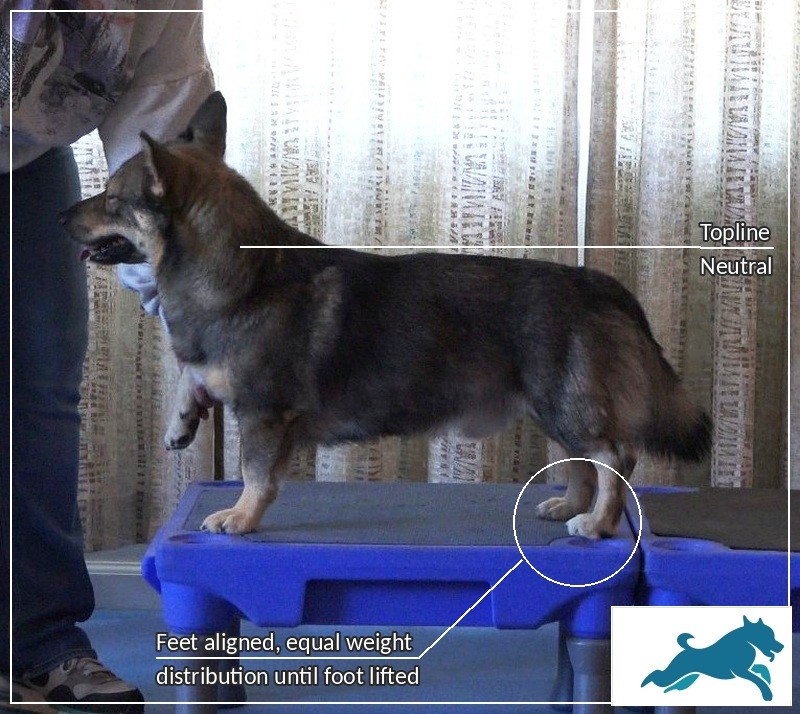
Form points for a three-legged stand.
Readiness. What should your dog be able to do before attempting this version? One successful repetition doesn’t tell you whether your dog can repeat it with consistent form.
Dose and recovery. How many repetitions or sets? How long should a hold last? How often should you do the exercise, and how much recovery belongs between sessions?
Starting point. Your dog’s age, current conditioning, training experience, and health history all matter when choosing appropriate work.
The rest of the plan. What other exercises does your dog do? Several different-looking exercises may challenge the same muscles or develop the same fitness skill, while leaving other needs unaddressed.
These details are what turn an exercise demonstration into useful training guidance.
Signs your dog may have moved ahead too soon
Your dog will usually show you when a step came too early, if you know what to watch for.
Form changes. Posture shifts, weight moves forward or to one side, the back rounds or sags, or the feet creep out of position. The exercise may still look similar, but it is no longer doing the same work.
Only the first repetition looks good. If form holds for a repetition or two and then fades, your dog understands the exercise but doesn’t yet have the strength or control to repeat it.
Holds get shorter. Your dog steps off, shifts, or breaks position before the time you planned.
You’re helping more. You find yourself luring, steadying, or setting up the position more than you did at the previous step.
Your dog is less willing. Hesitating, avoiding the equipment, or offering an easier behavior can mean the work is too hard right now.
The earlier step slips. The version your dog already knew becomes less consistent.
None of these mean something is wrong with your dog. They mean the current step needs more time, or a step back. Return to the version your dog does well, build from there, and try the harder version again later. If your dog seems sore, stiff, or lame after a session, stop and check with your veterinarian.
A collection of exercises needs a plan
It is easy to collect exercises. Save a video here, try something from a class there, add an exercise someone recommended for your sport.
Each one may have value. The harder question is whether they work together to give your dog what your dog needs.
An exercise can involve several parts of our K9 Fitness Pyramid at once. Something that looks like balance work may also ask for considerable strength. Adding another balance exercise could add more strengthening work than you intended.
A conditioning program accounts for those connections. It gives each exercise a purpose, sets an appropriate amount of work, allows for recovery, and establishes when to adjust the challenge.
It also helps you decide what to leave out. You don’t have to use every piece of equipment or reach the hardest version of every exercise to build a useful conditioning routine.
Let your dog’s needs guide the work
Different activities ask different things of a dog’s body. A weekend hiking companion, an agility dog, and a herding dog may share many foundational exercises, but their conditioning priorities won’t be identical.
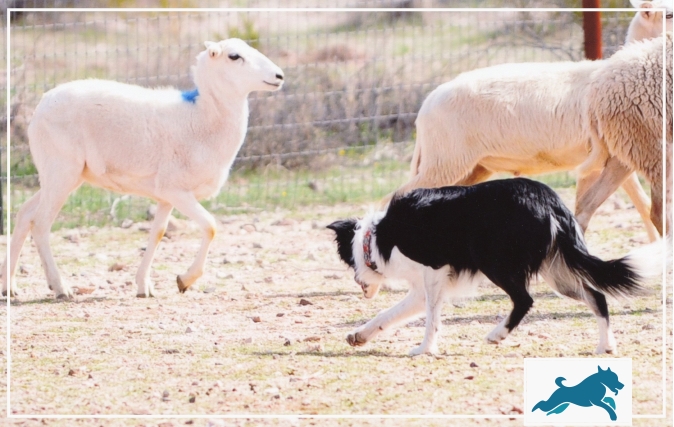
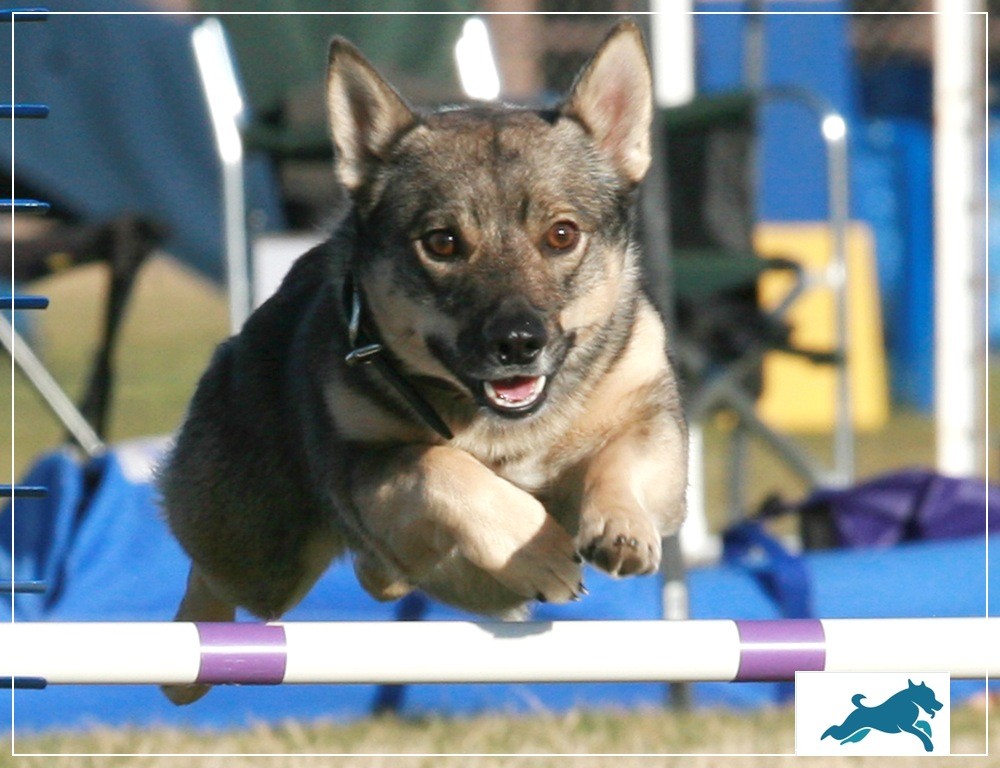
That is why we identify recommended minimum levels within each block of our K9 Fitness Pyramid for different sports. The goal is to build the fitness that supports the activity, with a foundation underneath it.
Those recommendations give the work direction. Your dog’s current abilities help determine the steps along the way.
Making an exercise easier is part of that process. You might simplify the setup to teach a movement, improve form, or return to training after time off. We discuss this in our post on using regression to progress.
Progress can be easy to miss
Fitness changes can be gradual. When you work with your dog regularly, you may not notice the difference from one session to the next.
Progress might be a steadier position, more precise foot placement, or the ability to complete the planned work with consistent form. Your dog may still be doing the same exercise, on the same equipment, while performing it much better.
A program gives you a way to recognize those changes. Recording your work and repeating assessments under consistent conditions helps you compare where your dog started with what your dog can do now.
That information helps you choose the next step. It also lets you see the value of the work you have already done.
How we approach it
At K9 Fitness Solutions, we organize exercises by their purpose and their level within the blocks of our K9 Fitness Pyramid. Our programs bring those exercises together with guidance on form, dosing, progression, and assessments.
We’re also building sport-specific conditioning roadmaps, starting with agility. They take this same approach and connect it to the minimum fitness levels each sport asks for, so you know where your dog is headed and how to get there.
The aim is to help you understand what you are working toward, choose appropriate exercises, and recognize your dog’s progress along the way.
Every path begins with a foundation. If you’re looking for a place to start, our free Essential Elements course teaches six foundational movements, with the form points that help make the work effective.
Start there. Give your dog time to learn the movements well. Then build with a purpose.